
I'm the Bean. You're the Barista.
AI transformation is variables, not tools. The trio that taught me: dogs, drones, coffee. What I'm doing with clients right now. Opinions are cheap. Scars aren't.
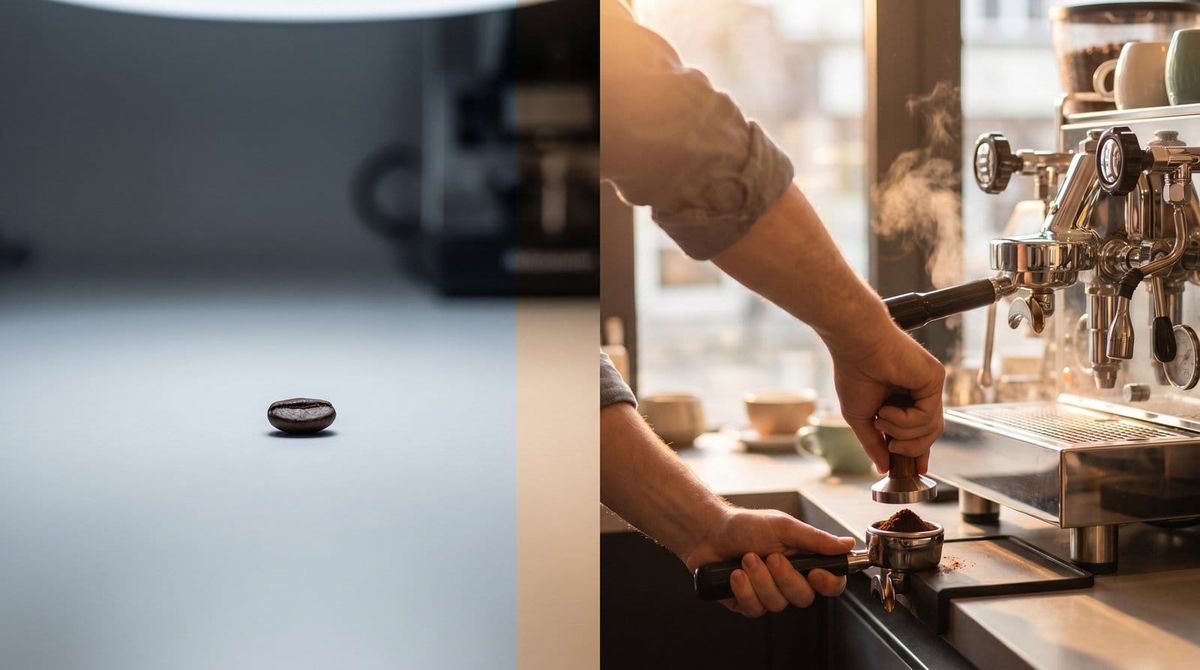
TL;DR"What's the best AI tool?" is the same question I used to get about drones, cameras, and coffee machines. The honest answer is always the variables, not the tool.Three things taught me this: training four breeds of dog, a decade of aerial cinematography, and a year off coffee. Same lesson every time.I have opinions on AI transformation. The opinions are cheap. The scars are what you're paying for.
The question I keep getting
What's the best AI?
Should I use Claude or Codex? GPT or Gemini? Cursor or Windsurf? Should I sign up for Claude or buy a Mac Mini and run something local? Why is Notion nagging me every other click to turn on Notion AI? Should I build with agents or stick with chat? Should I wait for the next model? The next next one?
There is so much noise.
I get a version of this question every week. Usually more than once.
I also got a version of it for about a decade when I was doing aerial cinematography. "What's the best drone? What's the best gimbal? What camera should I fly?" And before that, in another life, "What's the best espresso machine? What grinder should I get?"
Same question. Different costume. Same answer.
The answer is always the variables.
When someone asks "what's the best AI tool?", the honest answer is the same one I used to give about drones, cameras, and espresso machines. It depends on the variables, not the tool.
The trio that taught me
Dogs
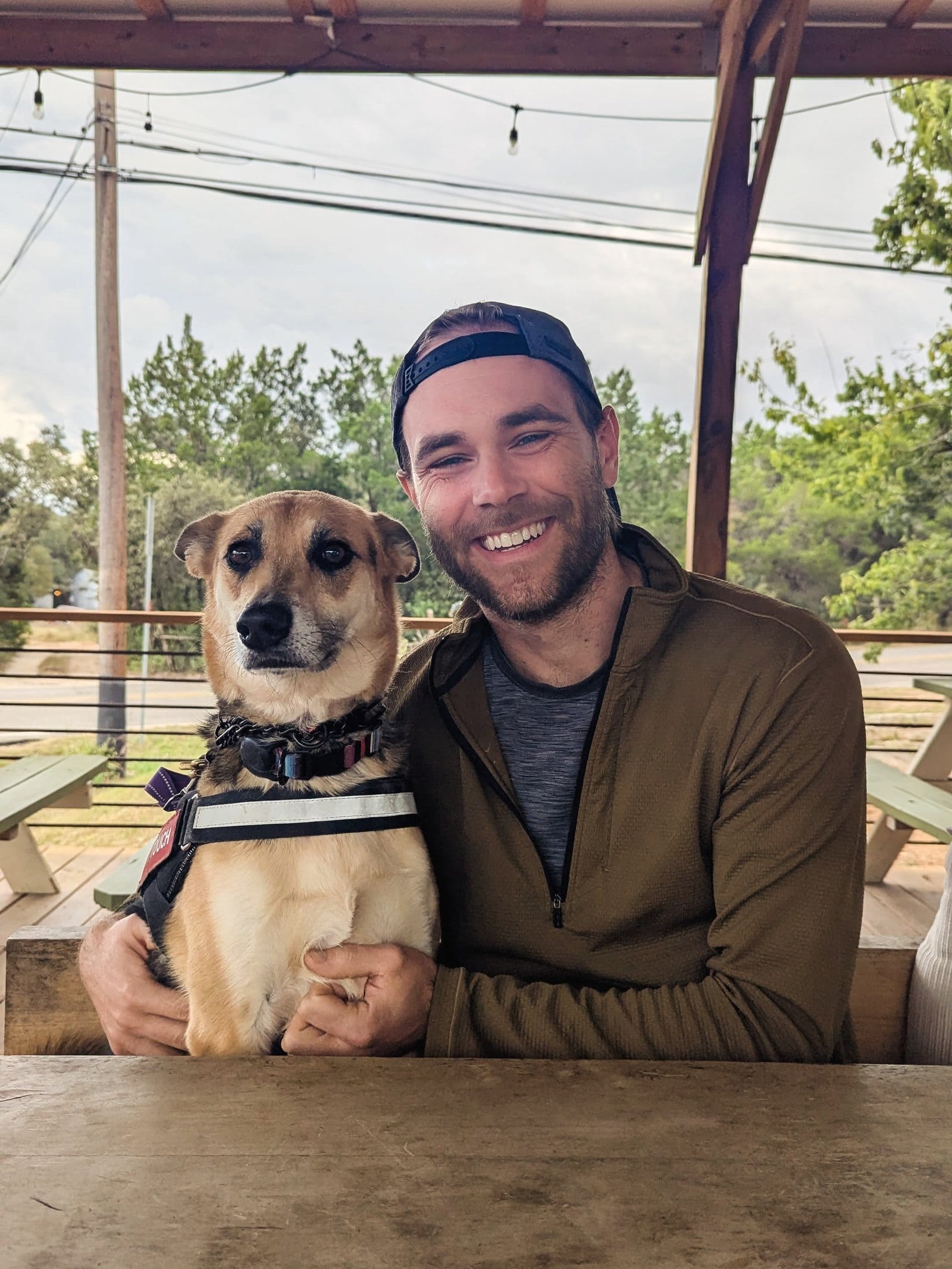
We've trained shepherds, collies, staffies, and a Belgian Malinois named Chai. Four very different dogs. Many trainers and many methods. Board-and-train, group classes, private in-home sessions, e-collars, crates, easy-walk harnesses, daycares, dog parks. Eventually a backyard big enough for them to burn off their own energy.
The science gets technical, but the shape of it is simple. DNA. Environment. Training. Change any one of those variables and you get a different dog. There is no universal right way to raise a dog. There is a right way to raise this dog.
The handler who tries to apply the same playbook to every breed ends up frustrated. The handler who reads the dog in front of them does fine. Brandon McMillan's dog training MasterClass is the cleanest version of this thesis I've found. Train the dog, not the breed.
Drones
I spent years doing aerial cinematography. Helicopters first. Then drones.
In the beginning, the human was everything. The best pilot in the world was useless if they didn't understand how to fly for a story. The best camera operator was useless if they couldn't communicate with the pilot. Specific flight paths for specific shots. Specific feel for specific brands. The equipment was a constraint and the humans bridged the gap.
Then the equipment got really, really good. The drones got smarter. The cameras got better. The variable that used to matter most started to matter less. I left service delivery in the entertainment industry around the time that shift was obvious. The variables had moved. The right answer had changed.
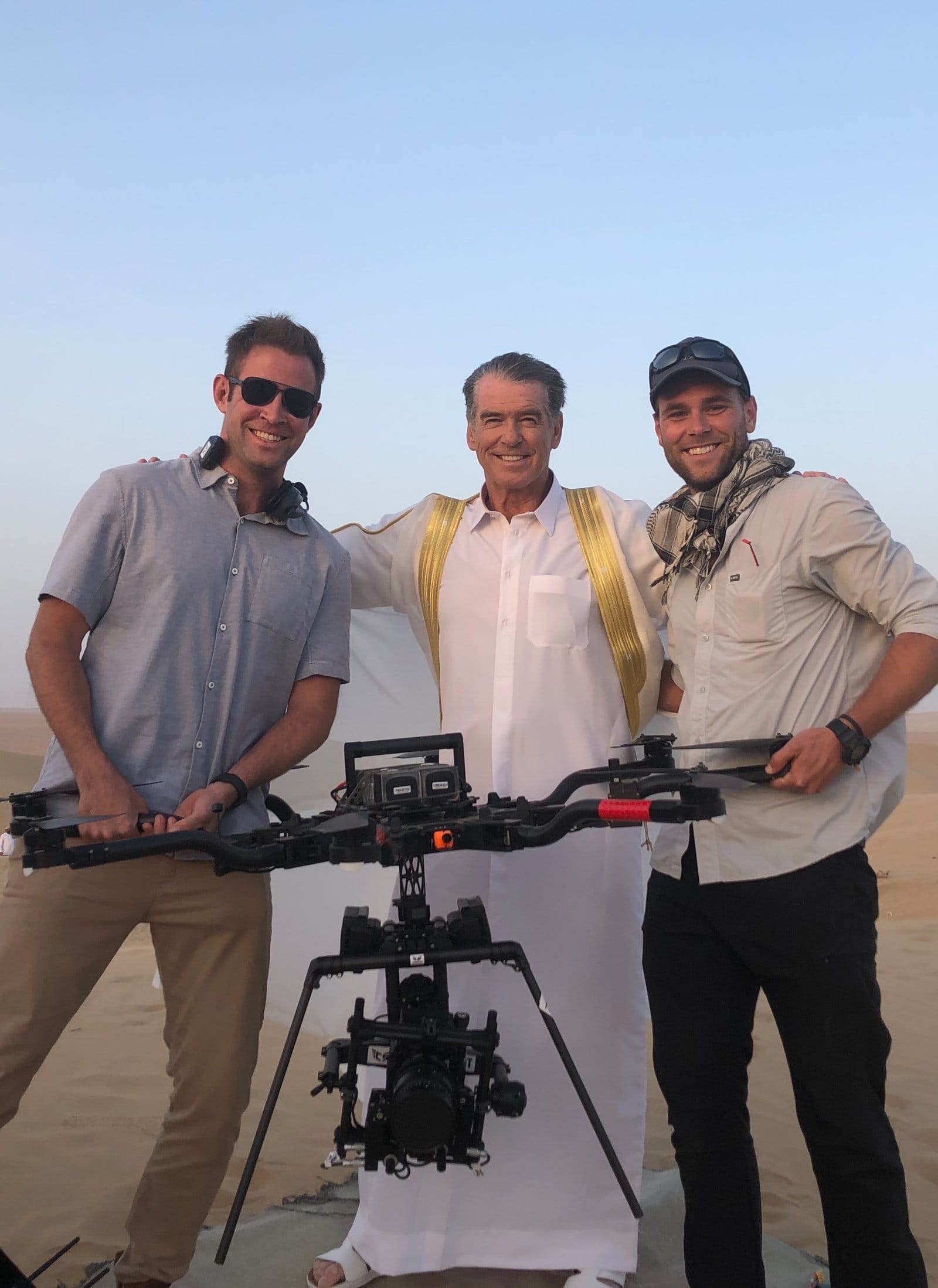
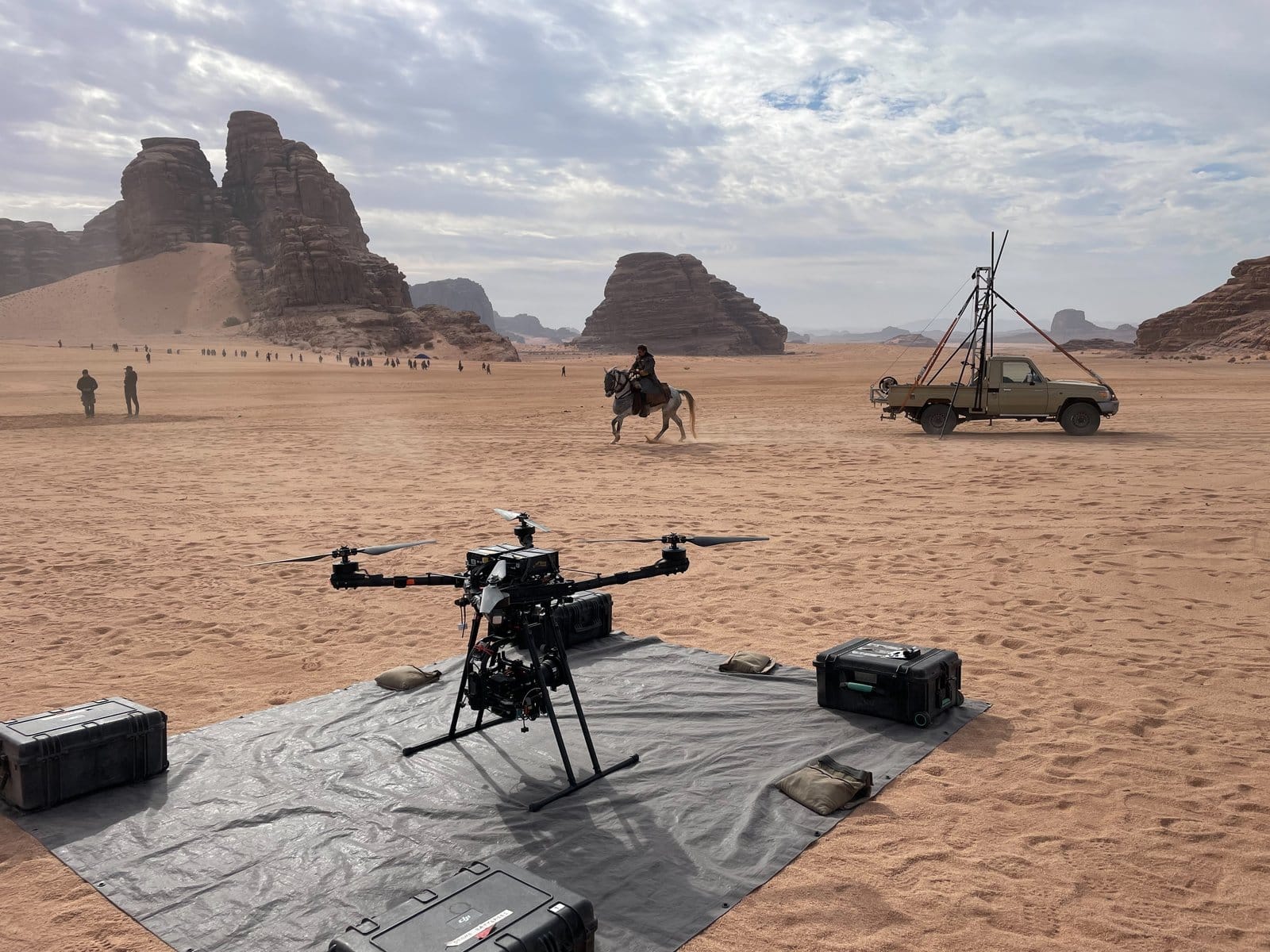
Sidebar: the day job that ended. One of the last big projects I worked on was Desert Warrior. Massive budget. Months in Saudi Arabia. Helped establish NEOM as a viable place to film a major production. It's now being talked about as potentially one of the biggest financial flops in movie history. The work was incredible. The outcome is something else. The Saudi connection did pull me back for one more project, The Lamb, which became one of my last in the industry.
Coffee
I got into coffee the way people get into wine. Slowly, then obsessively. Grew up not drinking it. Moved to Cape Town and discovered what good coffee actually tastes like. Ran a cafe there. Learned the roasting side, the preparation side, the dozens of methods that change the same drink: pour-over, espresso, AeroPress, French press, cold brew. Same beans, different ritual, different cup.
Then I came back to America, kept drinking it, overdid it. Took a year-plus off as a reset. Now I'm reintroducing it carefully. Every new bean teaches the same lesson.
Best espresso machine in the world. Wrong roast for the machine. Bad cup.
Best machine in the world. Right roast. Grind size off. Bad cup.
Best machine. Right roast. Right grind. Wrong water temp. Bad cup.
Best machine. Right roast. Right grind. Right temp. Barista who doesn't care. Bad cup.
Four variables minimum. Change one, change the cup.
The AI version
Now the question I keep getting is "What's the best AI?"
Same answer. It depends on the variables.
The tolerance of your team. The maturity of your existing processes. The shape of your data. The stakeholders who need to be brought along. The budget. What's already been tried and failed. Where the political fault lines run inside the org. Whether your leadership is trusted on job security. Who owns it when the agent breaks.
The data on this is brutal. MIT's 2025 study found 95% of generative AI pilots delivered no measurable P&L impact. BCG puts 60% of companies investing in AI in the "generating no material value" bucket. The abandonment rate jumped from 17% to 42% in a single year. McKinsey's State of AI keeps finding the same thing underneath all of it. The companies seeing real returns aren't the ones with the most advanced tools. They're the ones who got the organizational practices right.
The pattern that keeps coming up isn't "we picked the wrong tool." It's "our pilot worked and our rollout didn't." Klarna gets cited as a cautionary tale now. They rolled out customer service AI without consulting the customer service team. The tech worked. The outcomes got worse. As one Salesforce exec put it, "I haven't seen AI actually fix a lot of bad processes." That's the whole problem.

I can tell you what's worked in my own business. I've shipped AI strategies that landed and a fair number I had to walk back. Those are the scars.
The opinions are cheap. The scars are what you're paying for.
The cost of building is going to zero. AI can write your code, draft your deck, generate your spec. What it can't do is decide what's worth building.
Sequoia's Julien Bek calls this "Services: The New Software". Selling the tool puts you in a race against every model release. Selling the outcome gets cheaper every time the model improves. A company spends $10K a year on QuickBooks and $120K on an accountant to close the books. The next legendary company just closes the books.
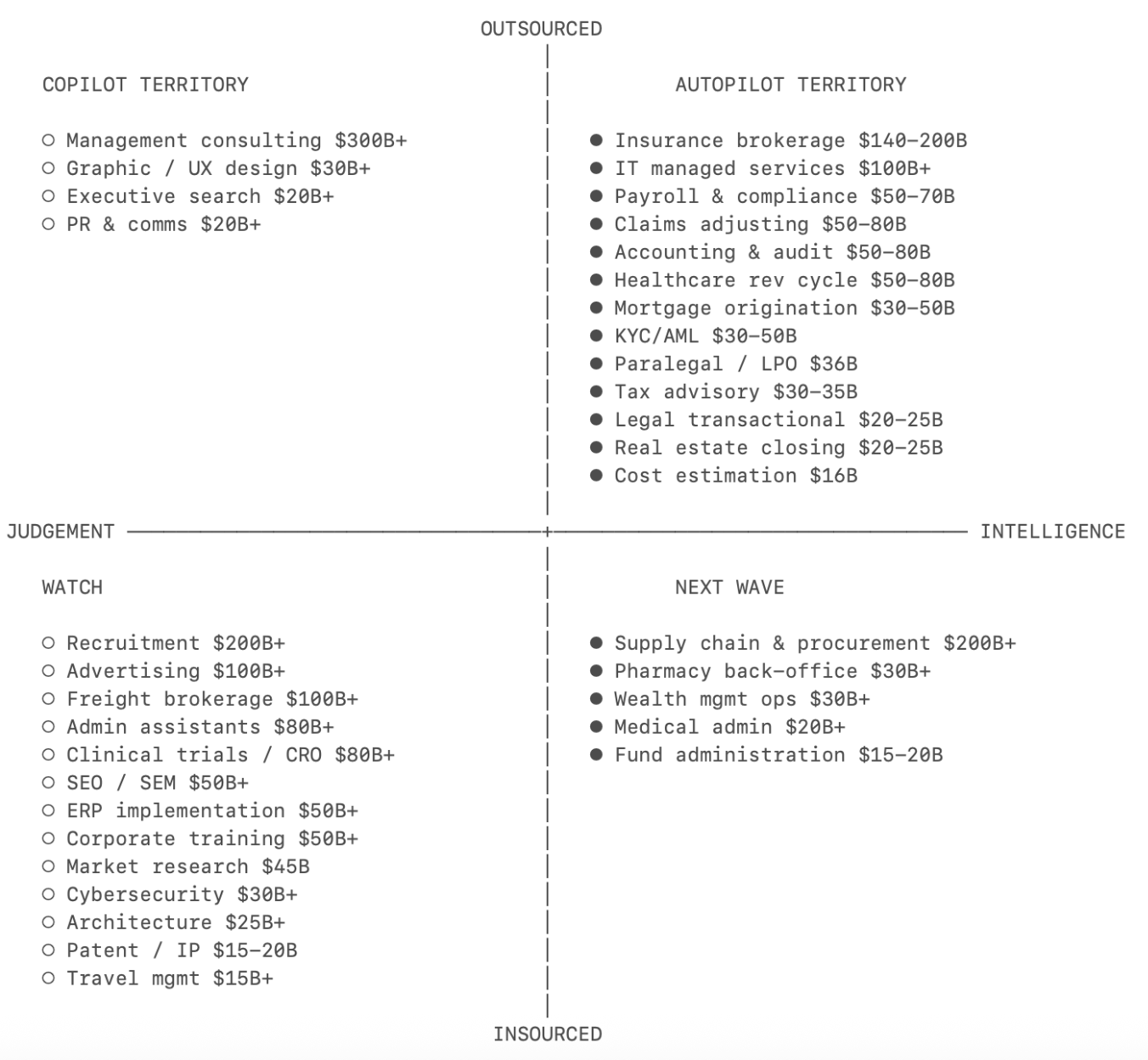
The strategy is the moat. Plan slow, act fast. Ideas are endless. Committing to one and shipping it is what moves you forward.
The agents actually working right now are small, narrow, and boring. Email-to-CRM. FAQ support. Resume parsing. Moderation. The community on r/AI_Agents has quietly stopped saying "autonomous employee" and started saying "narrow tool that does one thing well." That maps onto what I see in my own client work.
What I'm actually doing right now
A few patterns from current client work. Names left out on purpose.
Pattern 1: Human SOPs, no agent SOPs. One team has beautiful documentation for their human workflows. None of it is shaped for an agent. We're translating. Same operational logic, agent-ready inputs and outputs. The hard part isn't the AI. The hard part is finding the implicit knowledge in the human SOP that the agent will need explicitly.
Pattern 2: Manual parsing at scale. Another team is doing manual document parsing with offshore labor. We're pairing AI document extraction with traditional vision models for the structured stuff, and AI phone calls for the gaps the parser can't close on its own. AI absorbs the boring shape of the work. Humans do the parts that need judgment.
Pattern 3: Months of strategy before keys touch. One team I spent months in strategic discovery with before anyone touched a keyboard. When we finally started implementing, we moved faster than teams who skipped that work. The discovery was the implementation. The "slow" part wasn't slow. It was load-bearing.
Pattern 4: Levers, not rebuilds. Another team just needed someone to show them what was already possible inside their existing stack. A few small levers, dropped into systems they already had. Drastic capability shift inside the first month. No rip-and-replace.
None of those is the "right" answer for AI transformation. Each is the right answer for that team.
The honest part
When you dial in a new bean, you waste a couple shots.
Anyone who tells you their AI strategy lands first try is selling you something. The work isn't avoiding the bad shots. The work is setting up the experiment so the bad shots are cheap and fast, and the good ones compound.
The clients who get the most out of this kind of work are the ones who can stomach a couple bad cups on the way to a good one. They aren't celebrating the waste. They get what dialing in actually looks like.
Who I'm looking for
Honest filter. This works best for six or seven figure businesses who are ready to invest some time, some money, and some scars to get a real outcome.
You're the subject matter expert on your business. That isn't changing. I'm not walking in to teach you your own operation.
I'm the bean. You're the barista. Together we figure out what cup of coffee you're actually trying to make.
If that sounds like a conversation worth having, just reply to this email. Tell me a little about your business and what you're trying to unlock. I'll write you back personally.
P.S. For the coffee people
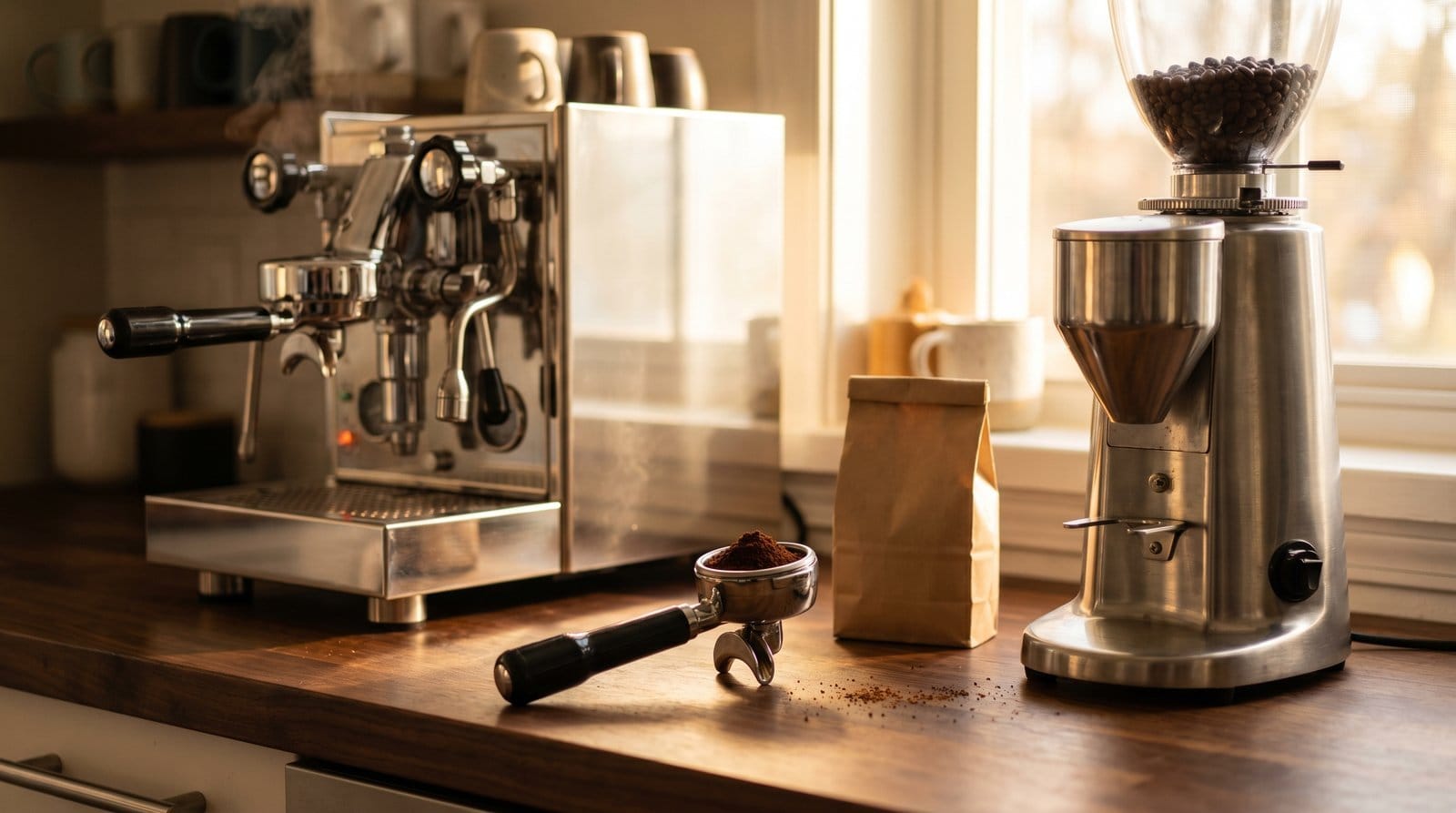
Some of you are here for the AI angle. Some of you came for the coffee. For the second group:
I follow the machine end of it too. The Eversys super-automatics that anchor cafe counters pulling thousands of drinks a day. La Marzocco at the top of the cafe-and-collector world. Jura for the office and home super-automatic crowd. The new Meraki Gen 2 the prosumer geeks are losing their minds over. The Rancilio Silvia, the Lelit lineup, the Profitec mid-tier. The brand-new Fellow ESP1 just shipping. The Gaggiuino open-source mod scene putting modern brains in old Gaggia Classics. Right now there's a buzz about porting that mod to the Breville Bambino, taking a $400 starter machine and giving it $4,000 capability.
Not just espresso. The Moccamaster is the one drip machine I've never talked anyone out of buying.
Then there's the grinder. Which is the part everybody underestimates.
A cheap blade grinder makes every other decision pointless. Inconsistent grind, inconsistent extraction. You can put the world's best beans through a $25 chopper and get worse coffee than a gas station. If your grinder has spinning blades instead of burrs, throw it out.
A good grinder costs serious money. The community wisdom is that you should spend more on the grinder than on the machine. A Niche Zero ($700) sitting next to a $500 Silvia. A Mahlkönig EK43 ($3,500) anchoring a cafe that runs a $5,000 La Marzocco. Sometimes the grinder is two, three, even four times the cost of the espresso machine. People look at that math and think it's insane until they taste what it actually does to the cup.
Same lesson at every price point.